
Uganda Travel Blog
Practical guides, honest advice and insider tips from a local team based in Buhoma, Bwindi. Everything you need to plan your Uganda trip.
 Destinations
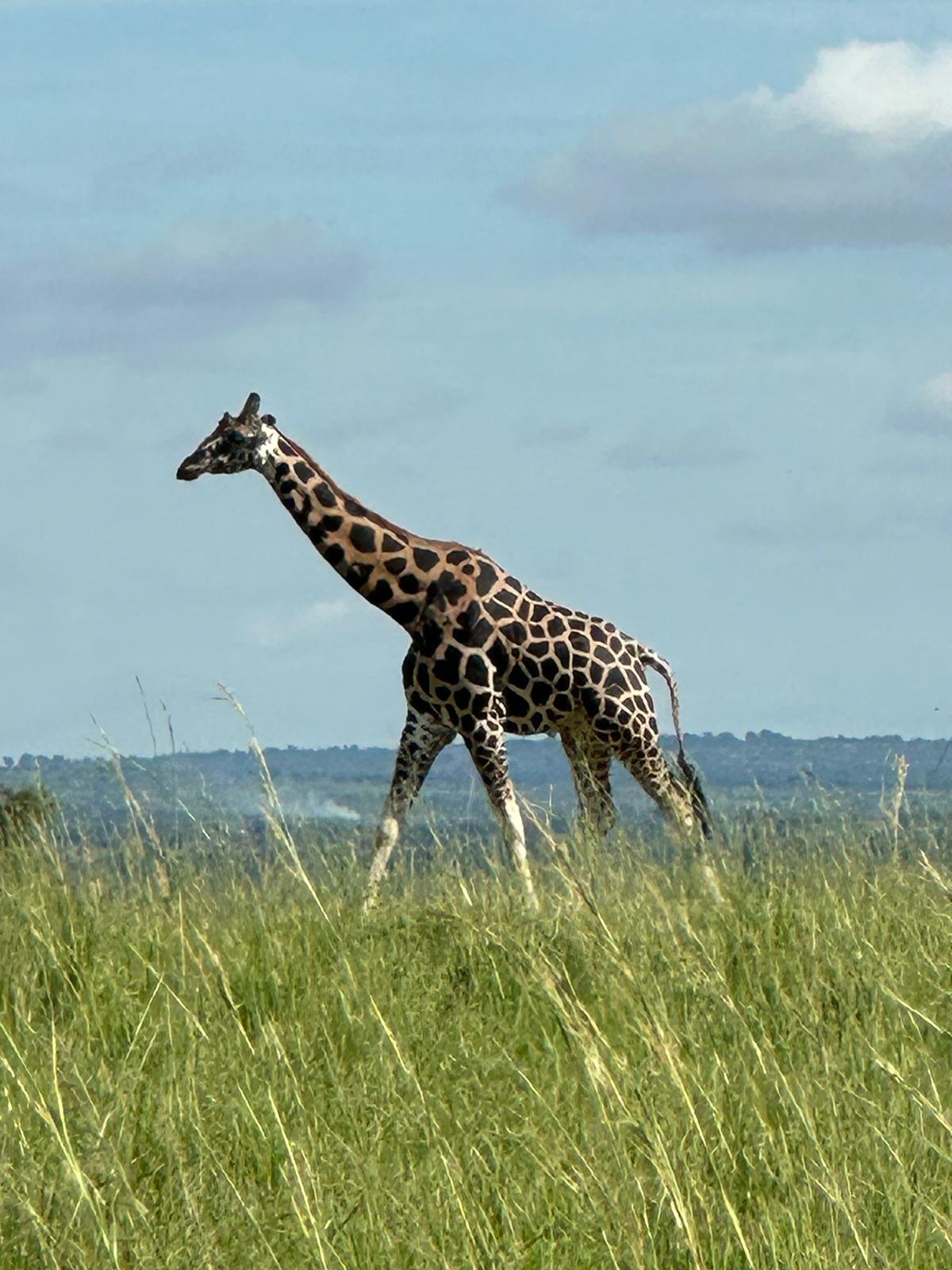
Murchison Falls National Park: Complete Uganda Safari Guide
Where the Victoria Nile squeezes through a 7-metre gorge before dropping 43 metres — and where Uganda's largest elephant herds roam open savanna alongside the world's biggest population of Rothschild's giraffes.
Duncan Tayebwa
Local Guide, Buhoma
 Planning
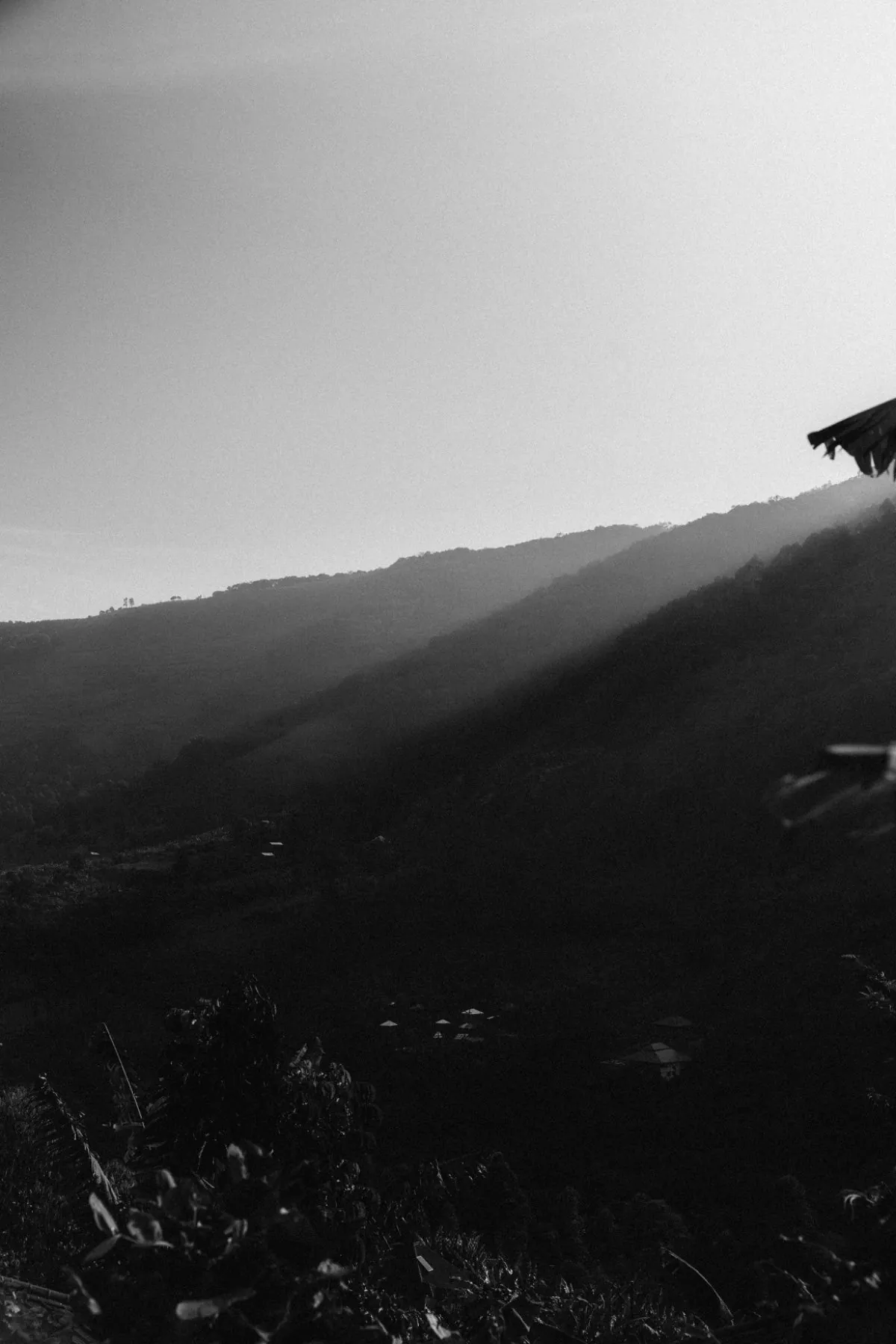
Uganda Safari Accommodation: Lodges, Camps & Hotels by Region
From forest lodges at Bwindi's gate to wilderness camps in Kidepo — a practical guide to where to stay in Uganda, based on 15 visits and 49 nights across the country.
Duncan Tayebwa
Local Guide, Buhoma
 Conservation
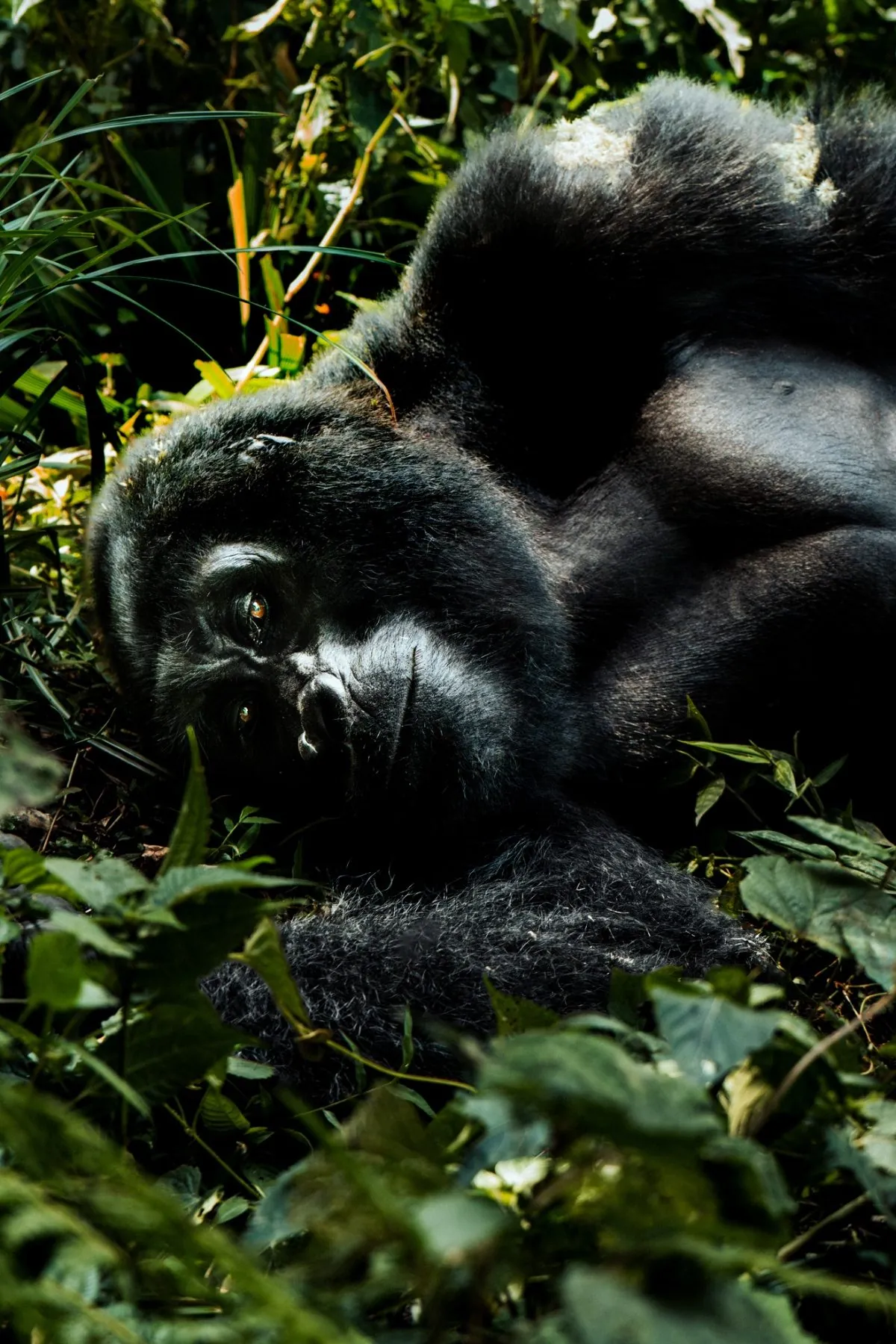
Mountain Gorilla Population in Uganda: Conservation, Recovery & What Trekking Funds
How a species pulled back from the brink — and why the $800 gorilla permit is one of the most effective conservation tools in Africa.
Duncan Tayebwa
Local Guide, Buhoma
 Planning
Ecotourism in Uganda: How to Travel Responsibly and Support Conservation
Uganda's revenue-sharing system puts tourism money directly into local hands. Here is how it works — and how to travel in a way that strengthens it.
Duncan Tayebwa
Local Guide, Buhoma
 Practical
Is Uganda Safe for Tourists? An Honest Guide (2026)
Safety concerns are natural when planning a trip to East Africa. Here is an honest, local perspective on what to expect and how to stay safe.
Duncan Tayebwa
Local Guide, Buhoma
 Planning
Uganda vs Rwanda Gorilla Trekking: Which Should You Choose?
An honest comparison from a Ugandan perspective — including the things we think Rwanda does better. Because you deserve the full picture.
Duncan Tayebwa
Local Guide, Buhoma
PracticalWhat to Pack for Gorilla Trekking: The Complete Checklist
Everything you need to bring — and a few things you should leave behind. Based on years of guiding in Bwindi Impenetrable Forest.
Duncan Tayebwa
Local Guide, Buhoma
 Planning
Best Time to Visit Uganda: Month-by-Month Guide (2026)
Uganda is a year-round destination, but timing matters. Here is what to expect each month — weather, wildlife, crowds and prices — from someone who lives here.
Duncan Tayebwa
Local Guide, Buhoma
PlanningHow Much Does Gorilla Trekking Cost in Uganda? (2026 Price Guide)
A transparent breakdown of every cost involved — from the $800 permit to transport, lodges, meals and tips. No hidden fees, no vague estimates.
Duncan Tayebwa
Local Guide, Buhoma
When to Go: Month-by-Month Guide
Gorilla trekking runs every day of the year. But which month is best for you?
January
ExcellentLow — occasional afternoon showers
February
ExcellentLow — driest month in some years
March
GoodModerate — rains begin, mostly afternoons
April
FairHigh — heaviest rainfall month
May
GoodModerate to High — decreasing through the month
June
ExcellentLow — dry season begins
July
ExcellentVery Low — driest period
August
ExcellentVery Low — dry season continues
September
ExcellentLow — dry season ends late September
October
Very GoodModerate — afternoon showers
November
Very GoodModerate — easing by late November
December
ExcellentLow — dry season returns
Common Gorilla Trekking Questions
Quick answers to the questions people ask most — by a team that lives and works in Bwindi.
Is Bwindi Worth Visiting?
Yes — Bwindi is one of the most extraordinary places on Earth. It is home to roughly half the world's remaining mountain gorillas, it is a UNESCO World Heritage Site, and the gorilla trekking experience is consistently rated as the number one wildlife encounter in Africa. If seeing gorillas is on your bucket list, Bwindi is where you should go.
Can You See Gorillas All Year Round?
Yes. Gorilla trekking in Bwindi Impenetrable National Park operates every single day of the year, regardless of season or weather. The gorillas live in the rainforest permanently — rain is their natural environment. There is no 'closed season' for gorilla trekking in Uganda.
How Close Do You Get to the Gorillas?
The official minimum distance is 7 meters (about 23 feet). However, mountain gorillas are wild animals and sometimes approach closer on their own. It is not uncommon for a gorilla to walk within 3–4 meters of you. Rangers manage the encounter and guide your positioning throughout.
What Happens If It Rains During Gorilla Trekking?
The trek continues. Gorilla trekking is never cancelled due to rain. Bwindi is a tropical rainforest — rain is part of the environment. Rangers, porters and visitors all trek in the rain. You simply wear your rain jacket, use a waterproof bag for your camera, and carry on. Many guests say the rainy forest is even more atmospheric.
What Is the Success Rate of Seeing Gorillas?
The success rate of seeing mountain gorillas in Bwindi is over 98%. Tracker teams go into the forest before dawn to locate each gorilla family. By the time you start trekking, the rangers know approximately where the gorillas are. It is extremely rare to not find them.
Are Gorillas Dangerous?
No. Habituated mountain gorillas are gentle, non-aggressive animals. They are accustomed to human visitors and generally ignore trekkers completely. Gorilla trekking has an excellent safety record spanning decades. Silverbacks may display (chest-beating, mock charges) but actual aggression towards humans is virtually unheard of.
Can Children Visit Bwindi?
Children can visit the Bwindi area, but the minimum age for gorilla trekking is 15 years. This rule is set by the Uganda Wildlife Authority to protect both the gorillas and younger visitors. Children under 15 can enjoy nature walks, community visits, the Batwa trail, and activities at Lake Bunyonyi while parents trek.
Can You Visit Bwindi Without Gorilla Trekking?
Yes. While gorilla trekking is the main attraction, Bwindi offers several activities that do not require a gorilla permit: guided nature walks, birdwatching, the Batwa Cultural Trail, community visits, and the nearby Lake Bunyonyi. These are significantly cheaper than gorilla trekking and can fill a rewarding day or two.
How Much Walking Is Required for Gorilla Trekking?
Gorilla trekking typically involves 2–8 hours of hiking through hilly, dense rainforest. The total distance varies from 2 to 10 km depending on where the gorilla family is located that day. The terrain is steep and can be muddy. Porters are available to help, and rangers adjust the pace to the group.
What Is the Difference Between Bwindi and Mgahinga?
Bwindi Impenetrable National Park has 22+ habituated gorilla families and is set in dense tropical rainforest. Mgahinga Gorilla National Park has just 1 habituated family (Nyakagezi) and is on the slopes of the Virunga volcanoes with more open bamboo forest. Bwindi is the standard choice for gorilla trekking; Mgahinga is better for combining gorillas with golden monkey tracking and volcano hiking.
Have a question we haven't answered?
Duncan is happy to help. Ask us anything about planning your Uganda trip.