Uganda has accommodation for every budget — from guesthouses under $30 per night to luxury tented camps at $500+. For safari travellers, location matters more than category: the best lodges are small, owner-run properties close to the park gates, not international chains. This guide covers what to expect in each major safari region, with honest impressions from our team's 15 visits and 49 nights across Uganda.
The Five Key Safari Regions — And What Accommodation to Expect
Accommodation in Uganda is concentrated around five regions that matter most for safari and gorilla trekking travel. Each has a distinct character and a different range of options.
Bwindi / Buhoma — Gorilla Trekking Base
The southwestern Uganda gateway to Bwindi Impenetrable National Park is the most important region for gorilla trekking accommodation. Most lodges are small, intimate properties with 8–20 rooms — locally or Ugandan-owned, with forest views and family-style dining. Trekking briefings start at 07:30, so staying within 5–15 minutes of the gate is a genuine advantage. Expect warm hospitality and, usually, real conversations with your hosts about life in Buhoma.
Full guide to Bwindi Impenetrable National Park:
Bwindi Destination GuideQueen Elizabeth National Park — Game Drive Country
Uganda's most visited wildlife park has the widest range of accommodation — from budget bandas at $50 per night to mid-range lodges with views over the Kazinga Channel at $200+. The Ishasha sector in the south, famous for tree-climbing lions, is quieter and more remote with one or two specialist properties. A night or two at Queen Elizabeth pairs naturally with a gorilla trekking stay at Bwindi.
Murchison Falls — Nile and Wildlife
Uganda's largest national park straddles the Nile in the northwest. Tented camps and mid-range lodges dominate, and the quality has improved significantly in recent years. Most wildlife concentrates on the northern bank, reached by ferry — check which side your lodge is on before booking. Murchison pairs well with Ziwa Rhino Sanctuary, which sits directly on the drive route from Kampala.
Kidepo Valley — Uganda's Remote Wilderness
Kidepo is the most remote major park in Uganda, bordering South Sudan and Kenya in the far northeast. Accommodation is limited to two established lodges and a community campsite — which keeps visitor numbers low and wildlife sightings exceptional. Getting here requires a domestic flight or a drive of 8+ hours from Kampala, but the lodges are good quality and the experience is unlike anywhere else in Uganda.
Kidepo Valley National Park — full destination guide:
Kidepo Destination GuideEntebbe — Arrival and Departure Hub
Almost every international visitor arrives at Entebbe International Airport on Lake Victoria. The city has the widest range of urban accommodation in Uganda — from $40 guesthouses to $180 boutique hotels. Most travellers spend a night here at the start and end of their trip. The botanical gardens, the wildlife education centre and the lakefront make it a pleasant base for a day or evening.
Entebbe travel guide — hotels, airport transfers & day trips:
Entebbe GuideWhat Ugandan Lodge Accommodation Actually Feels Like
Across 15 visits to Uganda — including 12 days in October 2024 and multiple stays in January 2026 — our most consistent finding is that the best accommodation experiences are rarely the most expensive ones. They are the lodges where the owner walks in for breakfast, where the staff know your name by day two, and where the menu is Ugandan rather than an approximation of European cuisine.
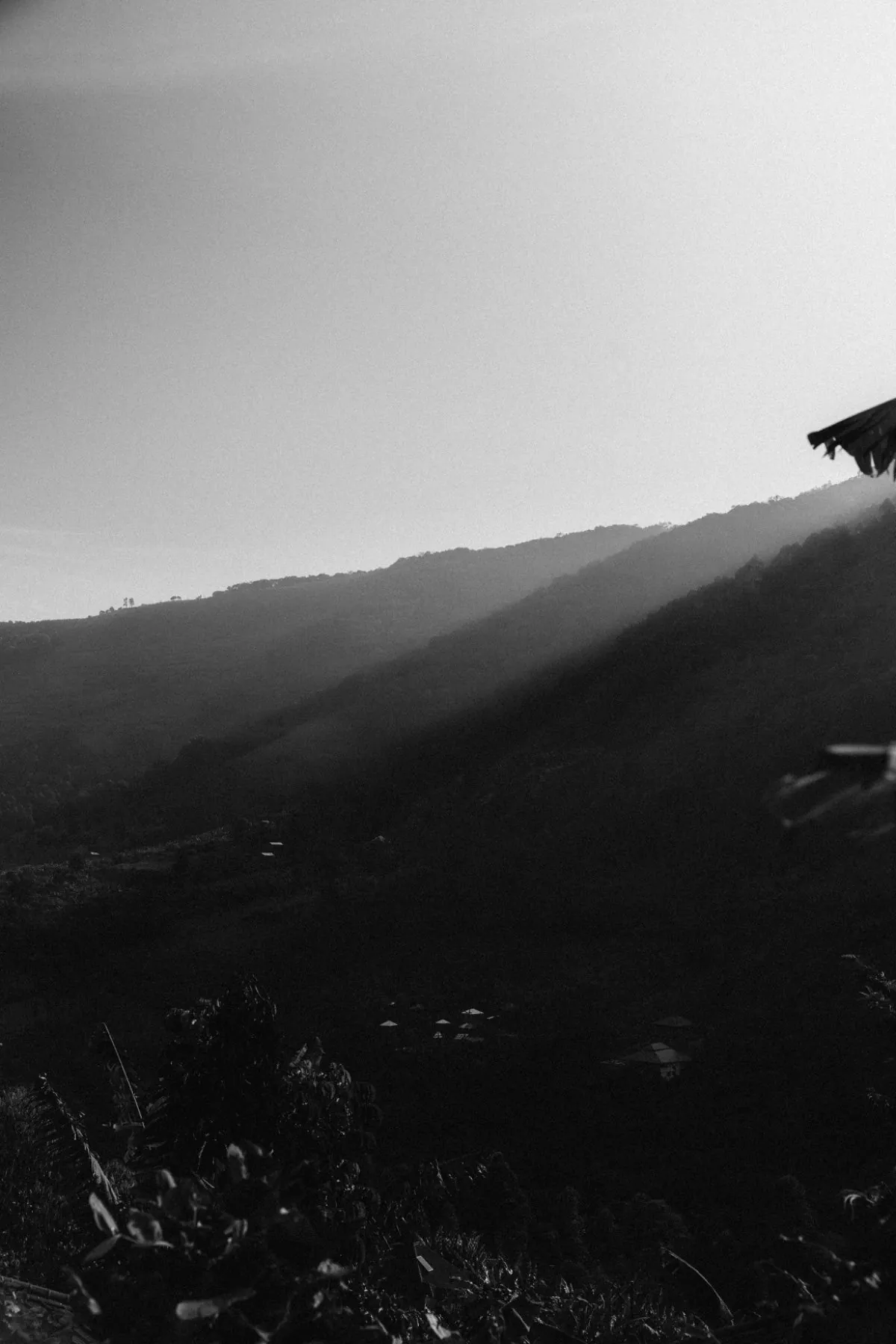
Breakfast at the Gorilla Bluff Lodge in Buhoma on a January 2026 morning is a good example. The menu was simple: avocado, rolex — a chapati wrap with eggs that is a Ugandan staple — and French toast. Served on a terrace overlooking Bwindi forest with mist still in the trees. No buffet, no room service. Just a good meal in front of one of the finest landscapes in East Africa.
Field Experience
What distinguishes Ugandan safari accommodation is proximity and human scale. You are close to the landscape you came for, and the people around you are part of that landscape.
Accommodation Categories and What They Cost
| Category | Price Per Person/Night | What to Expect |
|---|---|---|
| Budget guesthouses | $20 – $60 | Clean rooms, basic meals, en-suite or shared bathrooms, local ownership |
| Mid-range lodges | $80 – $200 | Comfortable rooms, good food, forest or park views, en-suite |
| Comfort / premium lodges | $200 – $400 | Private veranda, superior food, guided activities often included |
| Luxury tented camps | $400 – $800+ | World-class service, gourmet dining, all activities included |
Info
Most lodges near national parks offer full-board or half-board meal plans. Safari packages typically include accommodation in the all-in price — you rarely pay for lodging separately. Solo travellers pay a single supplement, usually 20–40% of the double-occupancy rate.
Accommodation and Local Employment
Staying in locally owned accommodation in Uganda has a direct and measurable economic impact on communities near the parks. The Uganda Bureau of Statistics (UBOS) tracks the accommodation sector as one of the primary formal employers in rural districts, though comprehensive regional data by establishment type is not publicly available in current form [RECHERCHE NOETIG: district-level employment figures, UBOS Statistical Abstracts 2024].
What we see on the ground is specific: in Buhoma, furniture for local lodges is made by craftsmen from the village. Community members work as rangers, porters, guides and kitchen staff. The supply chains are short. Choosing a locally owned property does not just benefit your travel experience — it shapes who benefits economically from your visit.
How to Choose the Right Lodge for Your Uganda Safari
- Distance to the park gate — for gorilla trekking, a 5–10 minute drive to the 07:30 briefing matters significantly
- Ownership model — locally owned properties offer a more authentic experience and keep more revenue in the community
- What is included — full-board lodges near remote parks save you from sourcing meals in areas with few alternatives
- Property size — lodges with under 20 beds retain a personal quality that larger properties lose
- Honest reviews over glossy photos — look for specific, recent guest accounts, not marketing imagery
We arrange accommodation as part of every safari we plan. Tell us your budget and priorities — we will recommend the right lodges for your trip:
Contact Us for Lodge Recommendations