
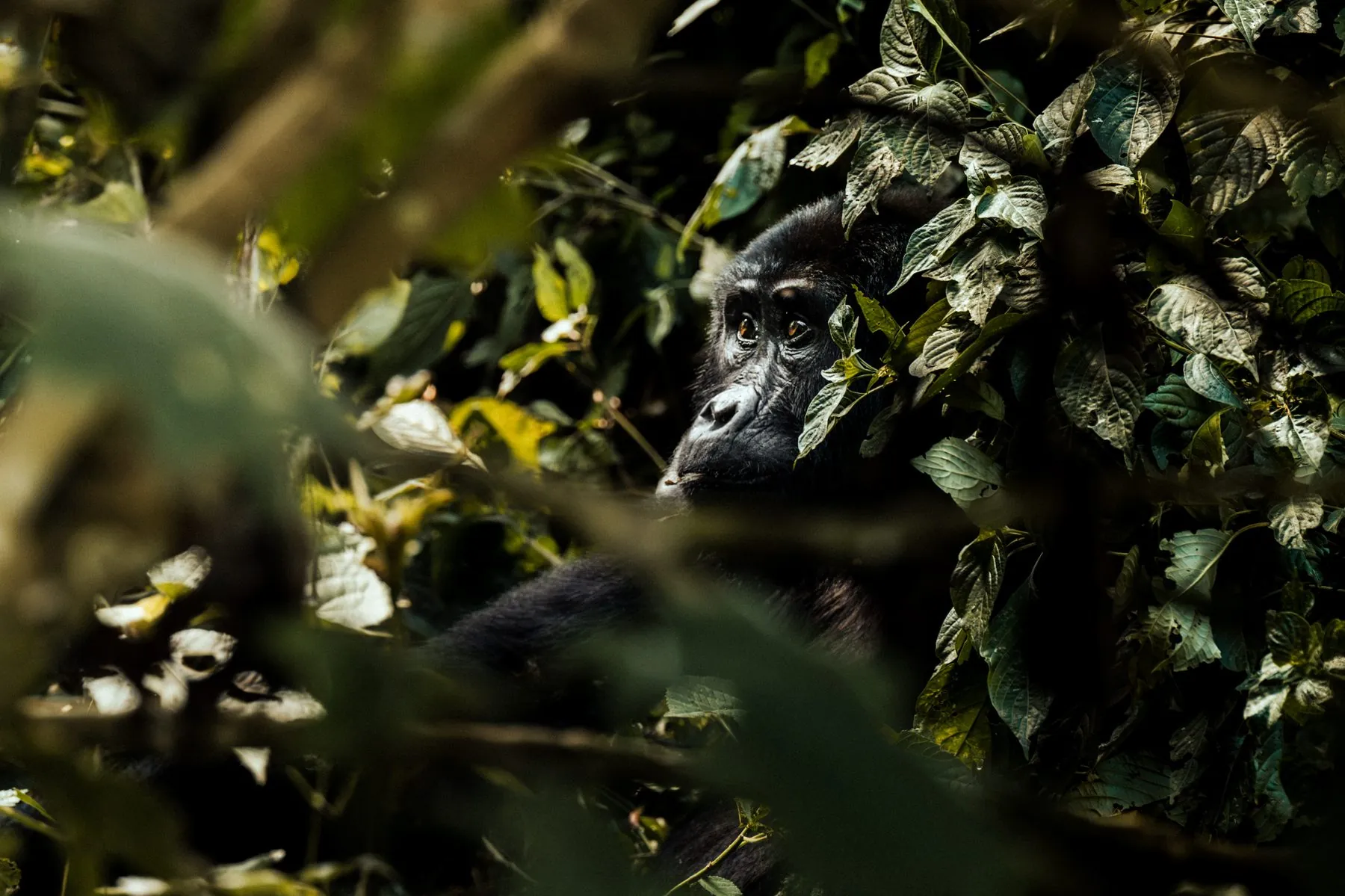
This is the question we hear more than almost any other: should I go gorilla trekking in Uganda or Rwanda? As a Ugandan operator, you might expect us to say Uganda every time. But we believe in honest travel, so here is a balanced comparison based on what actually matters.
Uganda is on the rise as a gorilla trekking destination: international arrivals grew 56.4% in 2023 to 1,274,210 visitors, and the average stay was 7.6 nights — a sign that travelers come for more than just one national park. The country has invested in infrastructure and now offers one of the most complete safari experiences in East Africa. (Source: Uganda Tourism Satellite Account Report, March 2025)
Side-by-Side Comparison
Gorillas are one of Uganda's most important tourism assets. Uganda National Parks recorded 467,065 visitors in 2025, with Bwindi Impenetrable National Park among the most visited protected areas. The mountain gorillas (Gorilla beringei beringei) living in Bwindi inhabit one of Africa's oldest tropical rainforests — over 25,000 years old. (Sources: Uganda Wildlife Authority; Uganda National Parks)
| Factor | Uganda (Bwindi) | Rwanda (Volcanoes NP) |
|---|---|---|
| Gorilla permit | $800 | $1,500 |
| Number of gorilla families | 22+ habituated families | 12 habituated families |
| Trek difficulty | Moderate to challenging | Moderate |
| Forest type | Dense tropical rainforest | Bamboo and montane forest |
| Drive from airport | 8–10 hours (or 1.5h flight) | 2–3 hours |
| Budget lodge (per night) | $40–80 | $50–100 |
| Mid-range lodge (per night) | $120–250 | $150–300 |
| Luxury lodge (per night) | $500–1,200 | $500–1,500 |
| Total 3-day cost (mid-range) | $1,650–$1,950 | $2,400–$3,200 |
| Other safari options | Extensive (QE, Murchison, Kibale) | Limited (mainly gorillas + chimps) |
| Tourist infrastructure | Good, developing | Excellent, well-organized |
Where Uganda Wins
1. Price — $800 cheaper per person
The $800 vs $1,500 permit difference is the single biggest factor. For a couple, that is $1,600 saved — enough to add an extra 3–4 days to your trip, upgrade your accommodation, or go chimpanzee trekking in Kibale.
This price difference also reflects a broader story. Uganda's international tourism revenue grew 48.5% in 2023 to UGX 3,818.6 billion. The lower permit price is deliberate policy — Uganda's goal is to make gorilla trekking accessible to more travelers, not to restrict it to premium budgets. (Source: Uganda Tourism Satellite Account Report, March 2025)
2. More gorilla families, fewer crowds
Uganda has over 22 habituated gorilla families across multiple sectors of Bwindi, plus families in Mgahinga. Rwanda has 12 families in Volcanoes National Park. This means better permit availability in Uganda and a higher chance of being assigned a smaller trekking group.
3. Combine with other safaris
Uganda offers far more beyond gorillas: Queen Elizabeth National Park (tree-climbing lions, Kazinga boat cruise), Murchison Falls (Nile cruise), Kibale (chimpanzees), and Lake Bunyonyi. Rwanda's safari options are more limited. If you want a complete East African safari, Uganda is the better base.
4. The forest experience
Bwindi Impenetrable Forest is one of the oldest and most biodiverse rainforests in Africa — over 25,000 years old. The trekking experience feels truly wild and immersive. The dense vegetation and misty atmosphere create an otherworldly feeling that is hard to match.
Where Rwanda Wins
1. Convenience — much shorter travel time
Volcanoes National Park is just 2–3 hours from Kigali airport. Bwindi is 8–10 hours from Entebbe (or a domestic flight). If you have limited time — say, only 2–3 days total — Rwanda is logistically easier.
2. Road quality and infrastructure
Rwanda's roads are famously well-maintained. The drive to Volcanoes NP is smooth and scenic. Uganda's roads to Bwindi have improved significantly but still include rough sections. Rwanda's tourism infrastructure is generally more polished.
3. Easier treks (generally)
Treks in Volcanoes NP tend to be shorter and less strenuous than in Bwindi. The bamboo and montane forest is more open than Bwindi's dense, hilly rainforest. If physical fitness is a concern, Rwanda may be a more comfortable option.
Our Honest Recommendation
Choose Uganda if: you want to save money, you have 5+ days, you want to combine gorillas with other safaris, or you want a wilder, more immersive forest experience.
Choose Rwanda if: you have very limited time (2–3 days only), convenience is your top priority, or you are combining with a Serengeti/Masai Mara safari and Rwanda is a quicker stop.
Choose both if: you have the time and budget for the ultimate gorilla experience — trek in both countries and compare for yourself. The border between Uganda and Rwanda near Bwindi is just 4–5 hours from Kigali, making a combination logistically straightforward.
Field Experience
"I have guided guests who trekked in Rwanda first, and those who chose Uganda as their only destination. The most common sentence after a trek in Bwindi is: 'I didn't expect the forest to be this dense and this quiet.' Bwindi cannot be staged — and that is its biggest advantage." — Duncan Tayebwa, Managing Director, Misty Gorilla Expeditions, Buhoma
Tip
Many of our guests who have done both say Uganda felt more authentic and wild, while Rwanda felt more organized and polished. Both are unforgettable.
Ready to trek in Uganda? See our plans starting from $650 per person.
View Uganda Gorilla Plans